Why Meat Inspection Is Essential for Food Safety and ASF Prevention
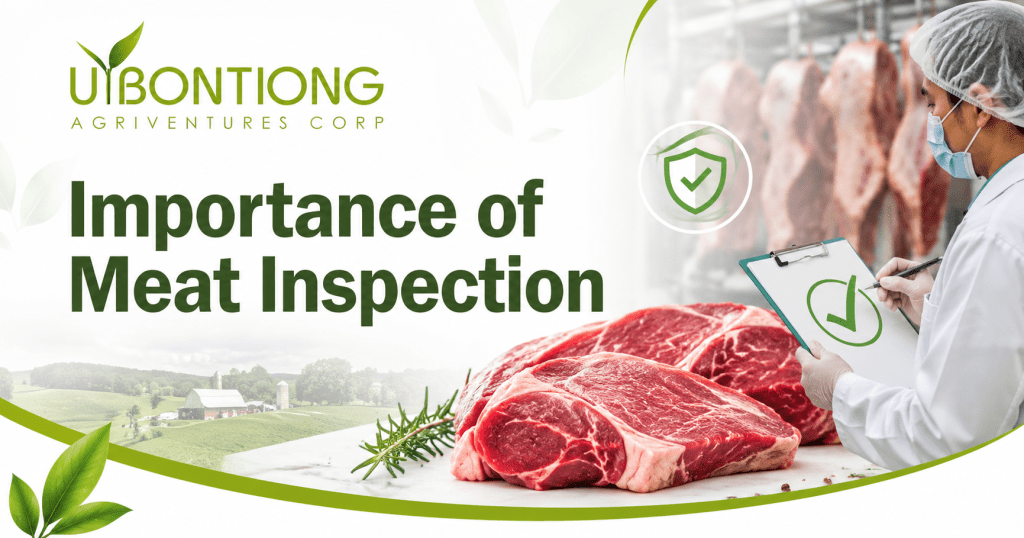
Meat inspection is a public-health and animal-health requirement, not a formality. It helps prevent unsafe meat from reaching consumers and supports efforts to control diseases that can devastate livestock production, including African swine fever or ASF.
Every animal intended for sale should be slaughtered in an authorized facility and examined by qualified meat-inspection authorities.
Protecting Consumers From Unsafe Meat
Uninspected meat may carry hazards that are not always visible, including harmful bacteria, parasites, contamination, and possible veterinary drug residues.
Potential risks include:
- Food poisoning from bacteria such as Salmonella and pathogenic E. coli
- Parasites associated with improperly inspected or undercooked pork
- Contamination from dirty tools, water, transport containers, and handling surfaces
- Spoilage caused by poor storage, transport, or broken cold-chain practices
Official inspection helps identify animals and carcasses that show signs of disease, organ abnormalities, contamination, parasitic infection, poor condition, or other conditions that may make the meat unsafe.
Why Illegal and Unchecked Meat Is a Serious Risk
Meat sold without inspection, proper documentation, or traceable origin puts consumers and communities at risk.
Unchecked meat may come from animals that were sick, improperly handled, illegally slaughtered, or transported from restricted areas. Without official records, authorities cannot quickly trace the source of contamination or respond effectively to food-safety incidents.
Consumers should avoid meat that has no clear source, no inspection mark, and no evidence of proper handling.
Meat Inspection Is Also Important for ASF Control
African swine fever does not infect humans. However, ASF is highly dangerous to pigs and can cause severe losses for hog raisers, traders, workers, and local communities.
The ASF virus can spread through infected pigs, contaminated pork products, slaughter waste, food scraps, vehicles, equipment, crates, boots, and other materials that come into contact with pigs.
Unchecked pork movement increases the risk of introducing ASF into farms and communities.
High-risk practices include:
- Selling pork from sick or illegally slaughtered pigs
- Transporting pork from restricted or infected areas
- Feeding uncooked pork scraps or food waste to pigs
- Bringing meat of unknown origin into farms
- Improperly disposing of pork, slaughter waste, or kitchen leftovers
- Moving contaminated equipment between farms, markets, and slaughter areas
Protecting Families, Farmers, and the Pork Industry
Proper meat inspection protects more than the consumer. It protects the entire food chain.
It helps:
- Keep unsafe meat out of markets
- Improve sanitation during slaughter and handling
- Support traceability during food-safety incidents
- Prevent illegal movement of pork products
- Strengthen ASF biosecurity
- Protect legitimate farmers, slaughterhouses, vendors, and transporters
- Preserve consumer confidence in locally produced meat
What Consumers and Sellers Should Do
Buy meat only from authorized and properly inspected sources. Look for inspection marks, clean market conditions, proper storage, and reliable sellers.
Farmers and traders should never sell sick animals for slaughter. Pork, meat scraps, and slaughter waste of unknown origin should never be brought into farms or fed to pigs.
Conclusion
Meat inspection is essential for safe food, healthy communities, and a protected hog industry.
Buy inspected meat. Support authorized slaughterhouses. Keep untraceable pork out of farms and markets. Protect your family and help prevent ASF.
At Uybontiong Agriventures Corp., we are committed to helping communities access safe, nutritious, and high-quality meat. By supporting proper meat inspection, responsible production, stronger farm practices, and local capacity building, we help promote better nutrition, better health, and a more reliable supply of fresh locally produced meat. Together, we can build healthier families, stronger farmers, and more resilient communities.